



What’s The Right Tie for Colder Weather?
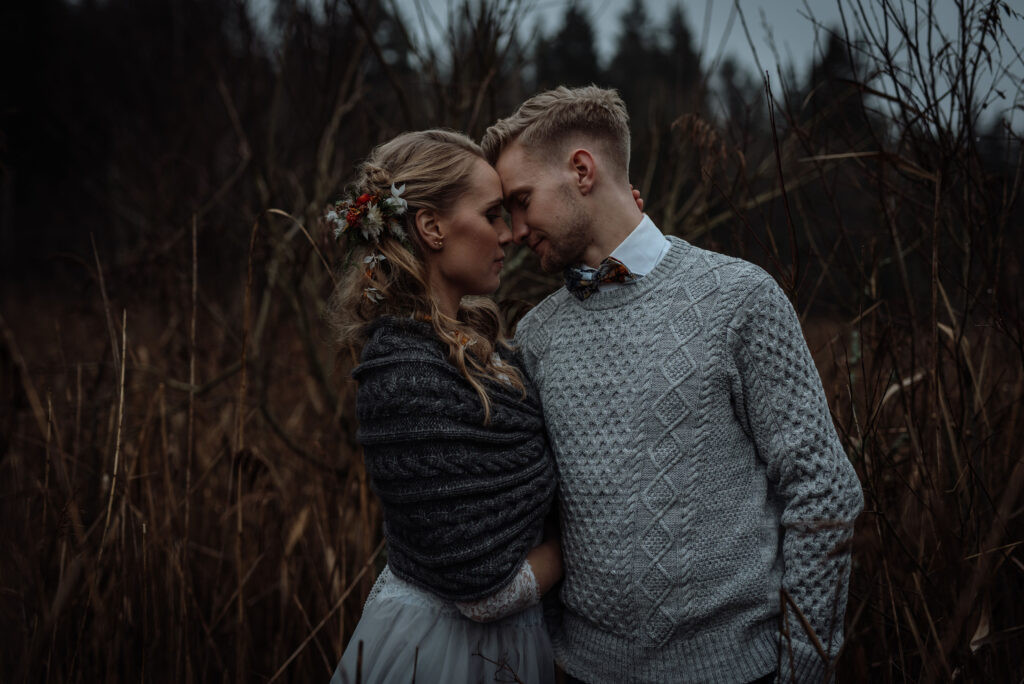
“I like dressing in all seasons. Every season has its own character and charm.” Those are the words of the actor, Pierce Brosnan, the suave Irish actor who played James Bond in four films.
Okay, that’s all very easy for 007 to say, but what about the rest of us? How does one know what tie to wear in what season? For example, what are the best ties to wear in colder weather?
To answer that question, we’ll concentrate on two important factors per season which can help determine which tie you might opt for – fabrics and colours. In this first part, we’ll be focusing on the two colder seasons of the year, namely autumn/fall and winter.
Ties for Autumn…or Fall
“All the trees are losing their leaves, and not one of them is worried.” — Donald Miller, American author.
Whether you call it autumn or fall, this is a season of profound transformation as the leaves fall. Gone are the languid and sunny days of summer that seemed endless. The nights are cooler now, the mornings brisk. The clothing becomes heavier and the hues more somber.
Autumn Fabrics, Fall Fabrics
Autumn requires fabrics that can be layered for greater warmth but are not too heavy. Since the weather may not be that frigid yet, typical fabrics for autumn include corduroy, flannel and fleece. Time to bring out those flannel shirts!
Wool is of course also excellent for retaining body heat as temperatures dip, although autumn requires wool of the lighter variety. Heavier cottons can also be worn. You might even be lucky enough to own a garment made from Supima cotton, which experts say is the heaviest and hardiest 100% cotton there is.
Autumn Colours, Fall Colours
Stereotypical colours associated with autumn include mustard, burnt (or pumpkin) orange, burgundy, aubergine, grey, camel and various shades of brown. They are colours that blend in with the surrounding natural environment as it turns brittle and grey. One can think of autumn as the ‘earthiest’ of the seasons in terms of its hues and shades.
Colour specialists define autumn colours by their so-called dominant quality, namely ‘soft,’ ‘warm’ or ‘deep’. All of them evoke the earthiness of the season.
So, what can be an ‘autumn tie’? An excellent tie option for that season is the knitted tie in darker or more open, earthy tones. A knitted silk necktie in gold, for example, will look sensational with a suit in heavy cotton or a light tweed in autumnal hues.
A luxurious and lighter silk fabric such as grenadine is also an excellent tie choice for a more formal autumn look, such as business attire.
Ties for Wintertime
“There are two seasons in Scotland: June and Winter.” - Billy Connolly, Scottish comedian.
Connolly is a very funny guy and he has a point: many of us live in countries in which winters are long and dreary. The cold never seems to never end. We wear layers of clothing just to keep warm. Fortunately, it’s a great time of the year to wear some of your best ties!
Winter Fabrics
Cold weather means we need to wear the warmest and heaviest fabrics. The most obvious choice is wool in all its many variations and thicknesses, with an astonishing variety of different wools available. As fabrics these can include cashmere and mohair, as well as fleece.
Down and fleece-lined jackets are an excellent insulation, especially when worn over a wool business suit on those freezing-cold days. Moisture-wicking polyester blends can be worn for casual wear to keep one dry and warm.
Winter Colours
When one thinks of winter, the typical colours that come to mind are darker and somber. These include black, as well as darker shades of grey, brown and blue. Navy and midnight blue, for example, are archetypal winter hues. However, winter should also include more vibrant colours known as ‘jewel tones’ such as emerald green, ruby red and sapphire blue.
Colder weather invariably means wearing ties in heavier materials. Of course, a good-quality woollen tie exemplifies a winter wardrobe, but so too do ties in heavy or ruched silk or a cashmere blend. These ties are especially well-suited when worn with woollen overcoats, tweed jackets or flannel suits.
Furthermore, woollen or heavy silk ties also look great with garments featuring a herringbone, houndstooth or tartan pattern.
As for the colour of your winter tie, the key terms are ‘high contrast’ or ‘low contrast’. Your high-contrast tie, for contrast could be a silk tie in cherry red or canary yellow against a woollen suit in gunmetal grey or navy blue. The colour pops, hence the high contrast. Pattern ties with colourful designs, such as paisley, can achieve the same result.
A low-contrast tie, on the other hand, can be equally effective, whereby the colour of your tie blends in with your wardrobe. So, for example, you might use a navy blue silk tie with discreet diagonal striping with your navy blue pinstripe suit. Or you can go for a woollen tie in tartan check in hues of grey and cream to complement your charcoal grey overcoat. This is often a safer choice, which is why many businessmen opt for it.
Remember that colder weather shouldn’t mean ‘drab’ or dull neckties! Even the most muted ties can add sophistication to your outfit when worn appropriately, whether worn as high-contrast or low-contrast accessories.
A gentleman’s wardrobe merits the finest ties for autumn/fall and winter. At least one of the benefits of colder weather is in knowing that your splendid tie will not only look good but also keep your neck warmer!
If you have the time, feel free to read our second part of this series on which ties to wear for which season, in which we focus on the warmer months of the year. Enjoy!